


The Evolution of Watch Dials: From Simple Metals to Artistic Masterpieces
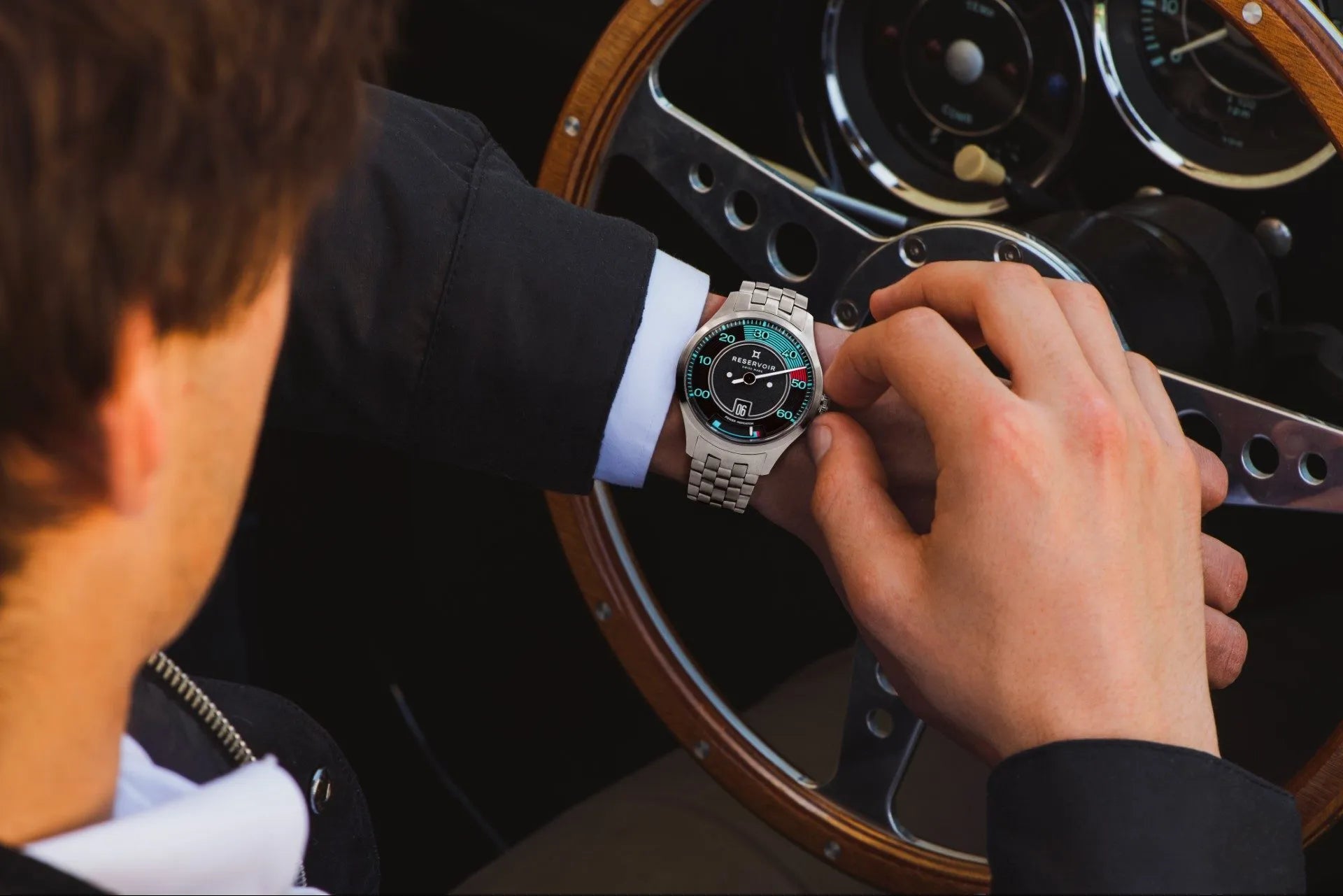
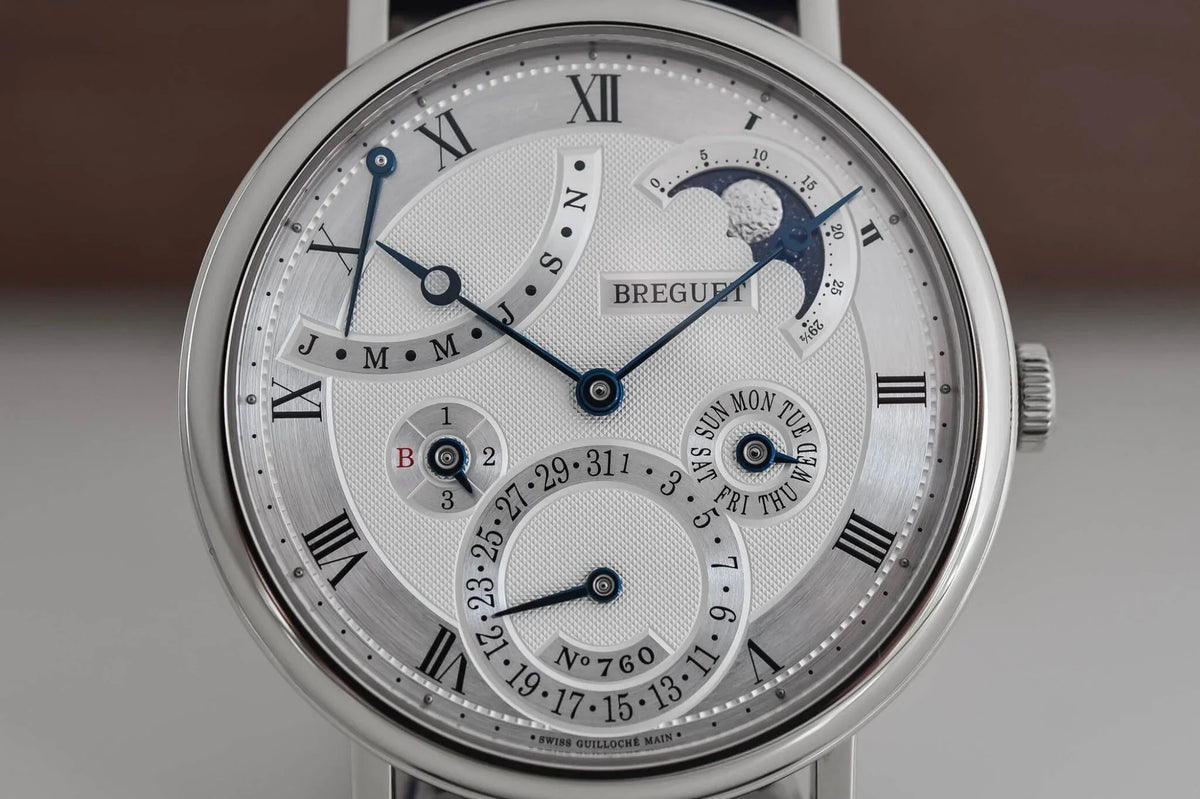
A watch dial is far more than a surface that displays the time. It is often the first element that captures attention, combining craftsmanship, material science and artistic expression in a remarkably small space.

The earliest portable timepieces featured simple engraved metal dials, primarily designed for practicality. As watchmaking progressed, dial production became increasingly sophisticated, introducing decorative techniques and materials that transformed watches into miniature works of art.
Enamel remains one of the most respected traditional dial crafts. Grand Feu enamel, created by repeatedly firing powdered glass at extremely high temperatures, produces remarkable depth, richness and longevity. Because each firing carries the risk of cracking, warping or imperfections, producing a flawless enamel dial demands exceptional skill and patience.

Lacquer offers another route to visual richness. Modern versions can create smooth, vibrant surfaces, while traditional Urushi lacquer preserves an ancient Japanese craft involving multiple carefully cured layers.

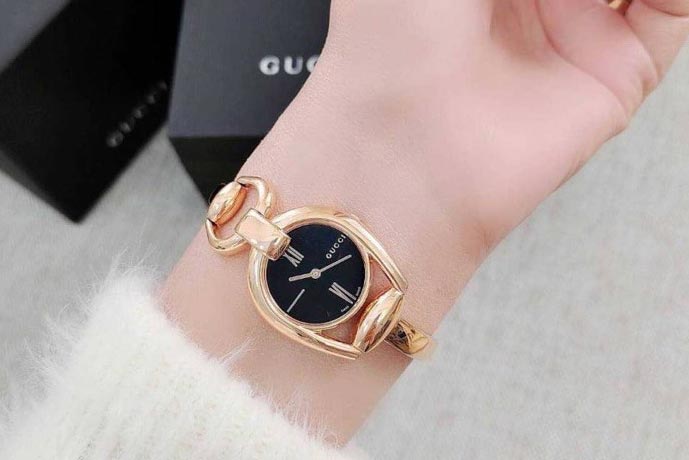
Porcelain dials provide a distinctive ceramic character, while precious metals such as gold can be textured or decorated to create luxurious finishes. For collectors seeking something truly individual, meteorite dials reveal naturally occurring crystalline patterns formed over millions of years in space.
Natural materials such as lapis lazuli, turquoise, onyx, tiger’s eye and mother-of-pearl introduce colours and patterns that vary from one dial to another. Aventurine, whether glass-based or naturally formed, adds a captivating celestial sparkle.

Contemporary watchmakers continue to experiment with carbon fibre, sapphire, wood, recycled materials and unconventional metals. This ongoing innovation demonstrates that the dial remains one of horology’s most expressive canvases—where heritage and modern creativity meet.
Read more
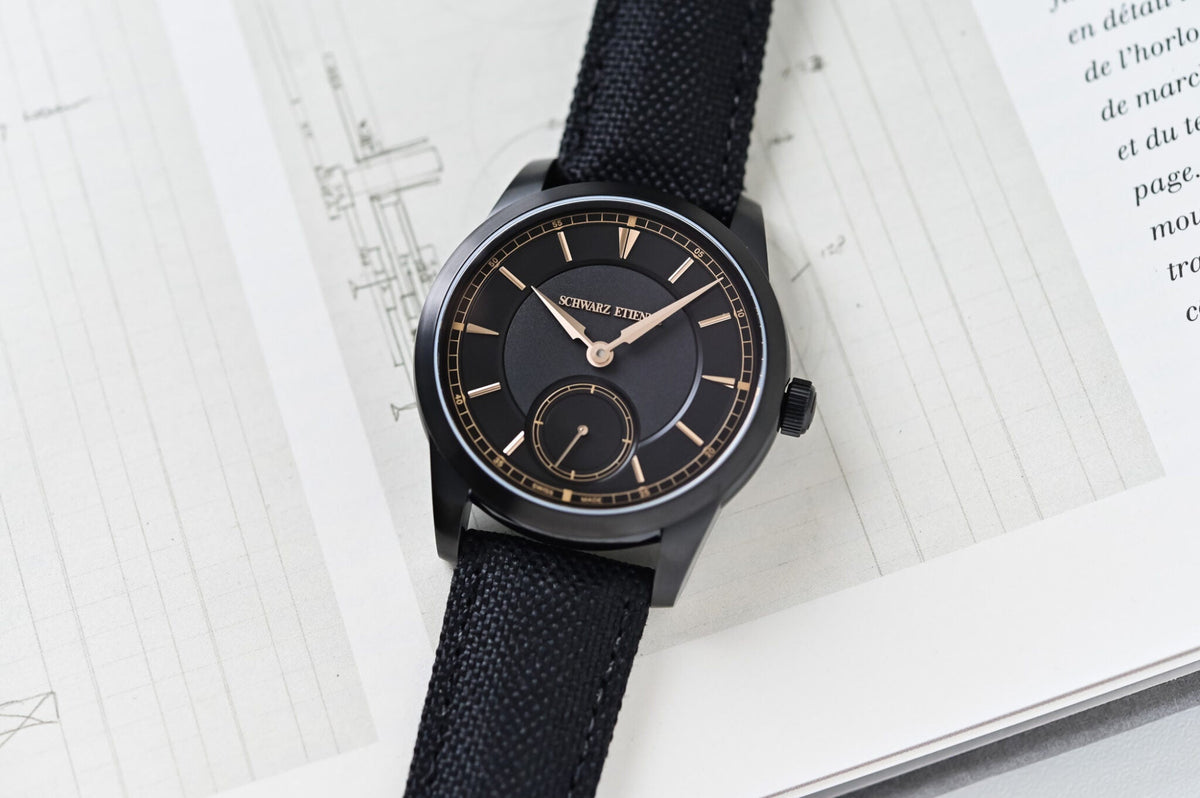
First Look The New Schwarz Etienne 1902 Petite Seconde Heure Dorée
The new Schwarz Etienne 1902 Petite Seconde Heure Dorée introduces a striking interpretation of the brand’s refined 1902 collection, combining contemporary materials with traditional Swiss watchmak...
Read more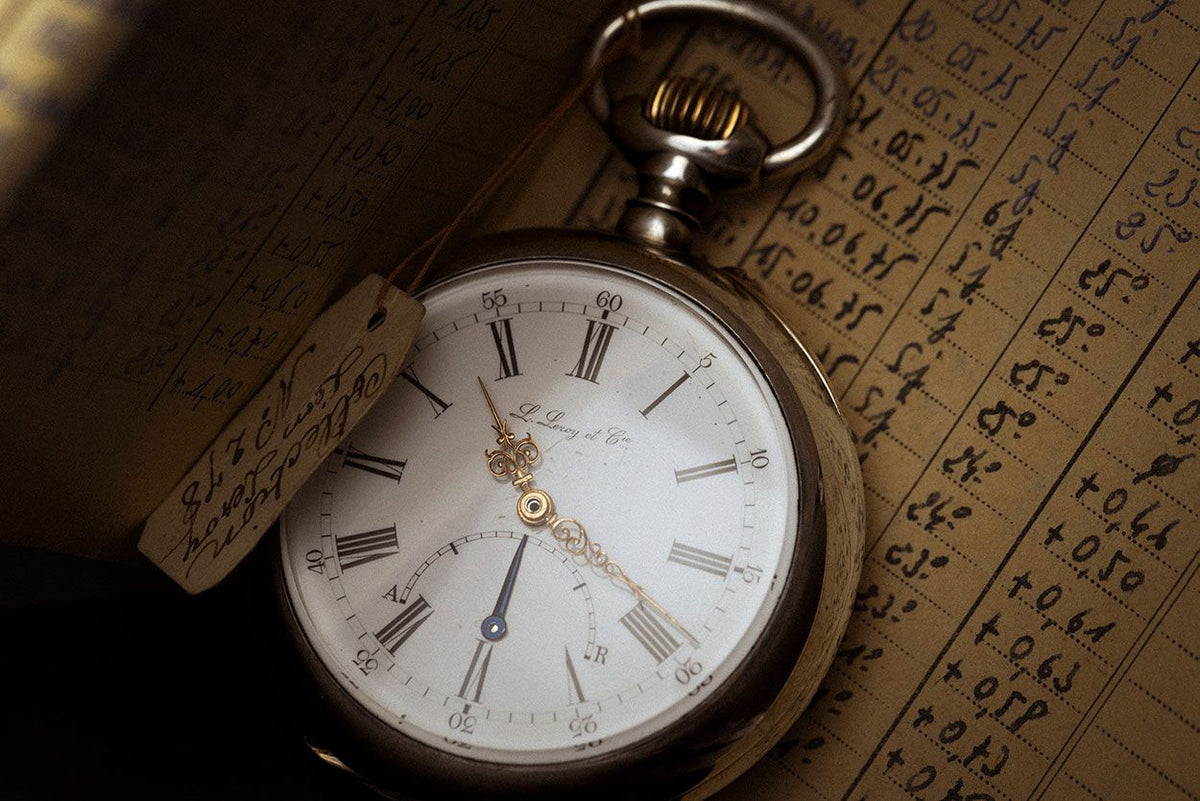
L.LEROY: A Legacy of Horological Excellence
For more than two centuries, L.LEROY has represented the pursuit of precision, innovation and exceptional craftsmanship. Its legacy reached a defining moment at the beginning of the 20th century, w...
Read more