







Time Structured: The Role of the Calendar in Organizing Life
The calendar transformed time from something abstract into a structured and usable system, enabling societies to coordinate activities, anticipate natural cycles, and establish a shared understanding of temporal flow. Early civilizations depended on this organization to manage agriculture, trade, and daily life, gradually refining it into a stable framework of days, weeks, and months. Over time, the calendar evolved beyond simple measurement into a method of organizing multiple layers of information within a coherent structure.

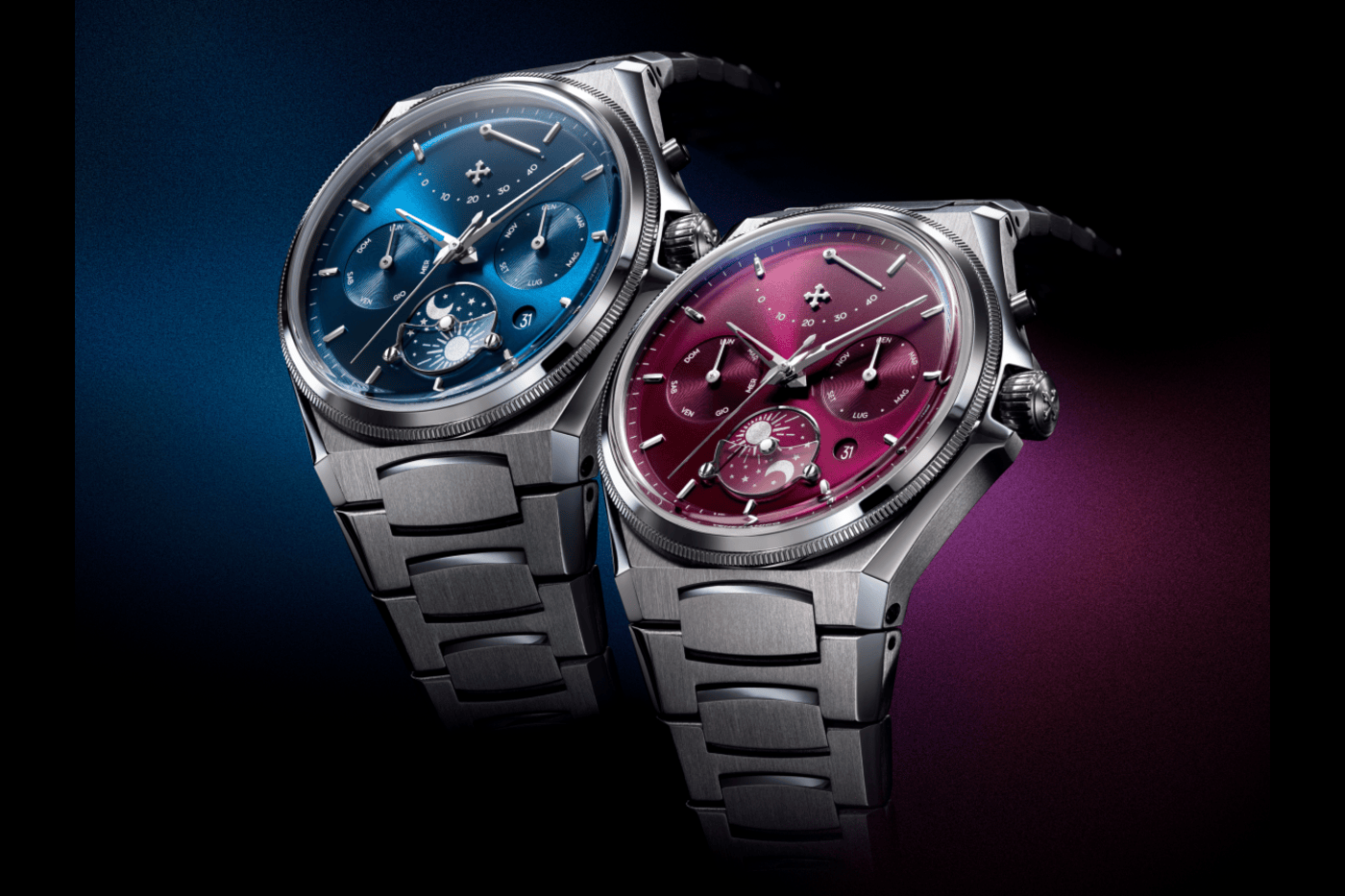
This same principle of structured coordination appears in complex environments such as historical production systems, where efficiency depends on sequencing, clarity, and integration. In watchmaking, this shift became evident when timepieces moved beyond basic time display to incorporate calendar functions. Early horological innovations introduced date indications, which later expanded to include day and month, reflecting the desire to unify multiple time references into one readable system. However, integrating these elements mechanically requires precision engineering, making full calendar watches relatively rare and often confined to higher-end segments due to their complexity. The challenge lies not only in assembling multiple indications, but in ensuring they function harmoniously without compromising clarity.
Modern interpretations aim to simplify this complexity through thoughtful design and reliable movements, creating watches that balance technical sophistication with usability. Ultimately, whether in ancient systems, industrial processes, or contemporary horology, the core idea remains the same: organizing complexity into a structured, readable, and efficient system that allows time to be understood, managed, and meaningfully experienced.
Read more

Grand Seiko SBGZ011 features platinum, hand-engraved waterfall-inspired artistry
The Grand Seiko 44GS Mystic Waterfall SBGZ011 is a remarkable expression of Japaneseartistry, where nature and precision engineering come together in perfect harmony. Inspiredby the serene beauty o...
Read more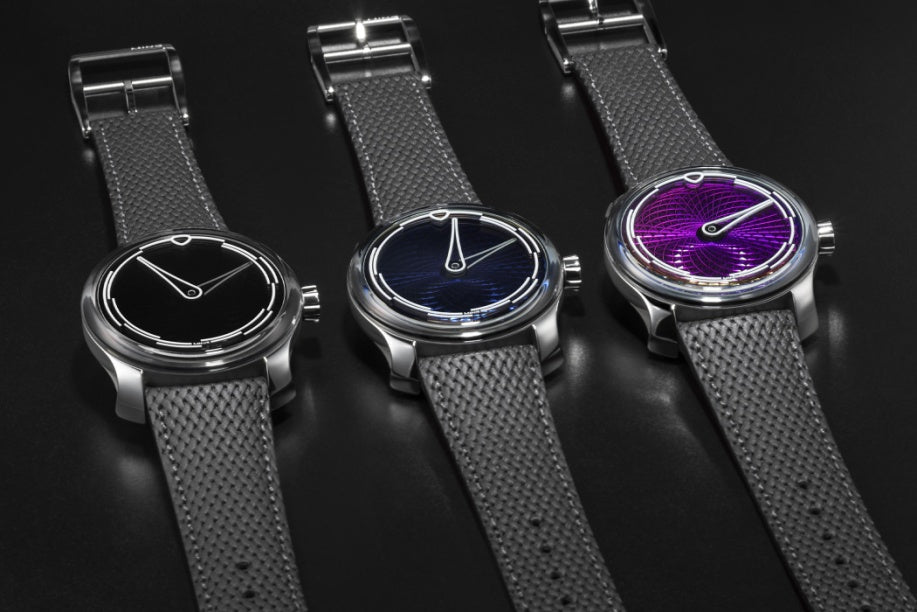
Introducing the Ming 29.06 Peep Show - where light and motion transform time
Since its launch, Ming has consistently challenged traditional watch design by transforming the dial into an interactive visual experience. The latest 29.06 Peep Show continues this philosophy with...
Read more